Why Sacramento's Climate Demands More Than Most Cities
Sacramento sits in a high-UV, low-humidity valley that's genuinely punishing on automotive paint. Summer temperatures regularly exceed 100°F, and that sustained heat accelerates oxidation in a way that Seattle or Portland drivers simply don't experience. UV radiation breaks down the topcoat of your clear coat at a molecular level. What starts as a subtle dulling becomes chalking, then permanent paint failure if left unaddressed.
Beyond heat, the Central Valley's agricultural surroundings mean fine particulate dust. Including fertilizer residue and pesticide drift. Settles on paint surfaces constantly. This isn't the same as city dust. Agricultural particulates are often mildly acidic and can etch clear coat if left on the surface through multiple heat cycles. For Sacramento drivers, this means the intervals that work in coastal California don't apply here.
The Right Detailing Frequency by Use Case
Daily Commuters (15,000+ miles per year)
If your car commutes on the I-80 corridor or Highway 50 daily, it's accumulating road film, brake dust on wheels, and UV exposure constantly. For a daily driver in Sacramento, a full detail every 4-5 months is a reasonable baseline. That translates to three services per year. Not twelve, not one. Between full details, a quick exterior wash and interior wipe-down monthly keeps contamination from building up to the point where it causes damage.
Weekend and Low-Mileage Vehicles
If your car sits in a garage most of the week and sees 6,000 miles or fewer annually, the calculus changes. Reduced UV exposure and less road contamination means twice per year is usually sufficient. Once in spring before the summer heat peak, and once in late fall after the high-UV season ends. However, if the car sits outside, UV exposure becomes the dominant concern and you should lean toward three services per year regardless of mileage.
Luxury and Exotic Vehicles
For vehicles where paint correction is expensive and resale value is tied directly to cosmetic condition, quarterly detailing makes financial sense. The cost of a premium detail three or four times a year is a fraction of what a single-stage paint correction costs. And paint correction is what you're eventually facing if oxidation or swirl accumulation goes unaddressed.
Not sure which service fits your schedule?
Our Essential package starts at $159 for sedans. It's the right choice for maintenance intervals between deeper services. We come to your home or office across Sacramento, Folsom, and Roseville.
Book a DetailA Seasonal Schedule That Works for Sacramento
Rather than thinking in terms of months, think in terms of seasons and what each one does to your vehicle:
- March-April (Spring): Winter rain leaves mineral deposits and water spots. A full exterior detail with clay bar treatment removes embedded contamination before summer UV arrives.
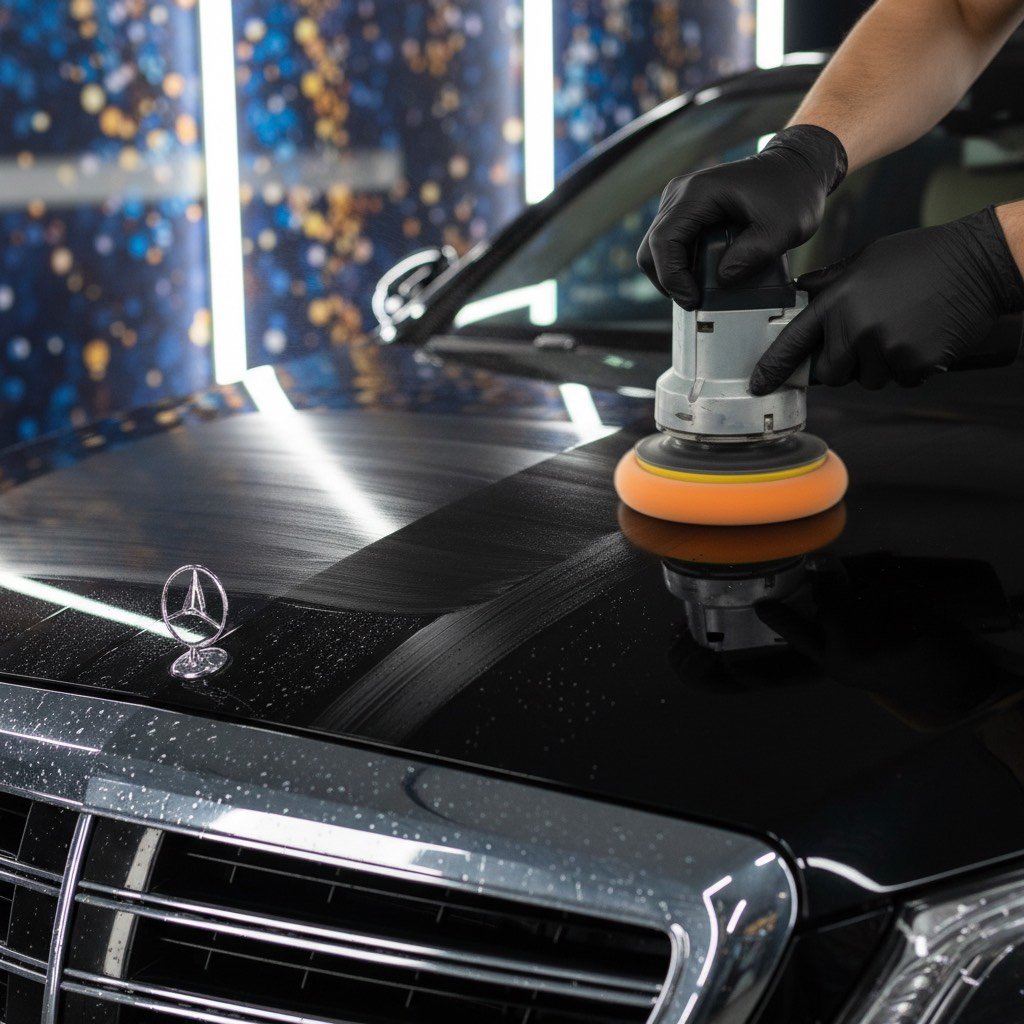
- July-August (Peak Summer): The highest UV exposure of the year. If you have paint protection or ceramic coating, this is when it earns its value. Without it, a light machine polish and sealant application in early summer protects through the heat peak.
- October-November (Fall): Sap, bird droppings from migratory birds, and the first rains after a dry summer create a perfect storm of contamination. A thorough fall detail removes summer's accumulated damage before cooler weather sets in.
- January-February (Winter): Sacramento winters are mild, but road spray and rain-driven grime build up. A quick interior refresh and exterior decontamination wash is sufficient for most vehicles at this point.
Signs Your Car Is Overdue for a Detail
Sometimes the calendar isn't the right guide. The car is. These are the signals that a detail is overdue regardless of when you last booked:
- Paint feels rough or gritty even after washing. Embedded contamination that a regular wash won't remove
- Water no longer beads on the paint surface. Your protection layer has failed
- Visible swirl marks under direct sunlight or LED lighting
- Interior surfaces have a greasy film or persistent odor despite vacuuming
- Plastic trim has turned gray or chalky. UV degradation that's still reversible with the right treatment
- Windows have a hazy film that washer fluid doesn't fully remove
How Detailing Frequency Affects Resale Value
This is where the math becomes concrete. According to Kelley Blue Book data and independent dealer surveys, a vehicle maintained with documented detailing history commands 10-15% higher trade-in and private party sale prices than an identical vehicle without that history. On a $35,000 vehicle, that's a $3,500-$5,250 difference. Against a total annual detailing investment of $450-$600 for three services.
The reason isn't just cosmetic. Dealers and buyers understand that a well-detailed car signals meticulous ownership overall. It creates a presumption of mechanical maintenance, interior care, and general attentiveness that lifts the entire vehicle's perceived value. Regular detailing is one of the highest-ROI vehicle investments you can make.
The Honest Recommendation
For most Sacramento drivers, three full details per year. Spring, late summer, and fall. Covers the climate-specific needs of this region. Daily commuters with high mileage should consider four. Weekend vehicles with garage storage can get away with two. What matters most is consistency: small contamination problems caught early are always less expensive than the correction work required when damage accumulates.
If you're unsure where your car currently stands, a single detail is the fastest diagnostic. The condition of the paint, glass, and interior after our process tells us exactly what maintenance interval your specific vehicle needs going forward.